金属拡散接合
精密な接合界面と位置合わせのための金属拡散接合
イントロダクション
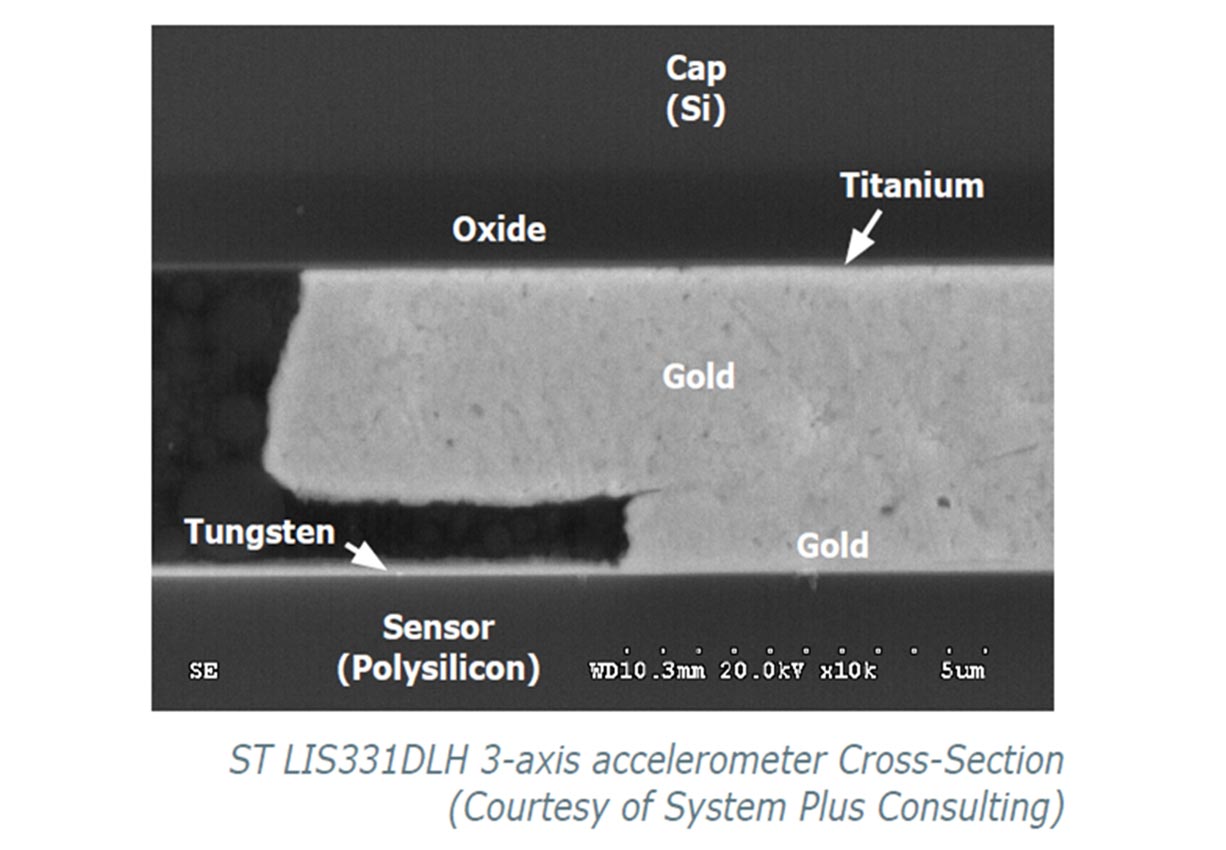
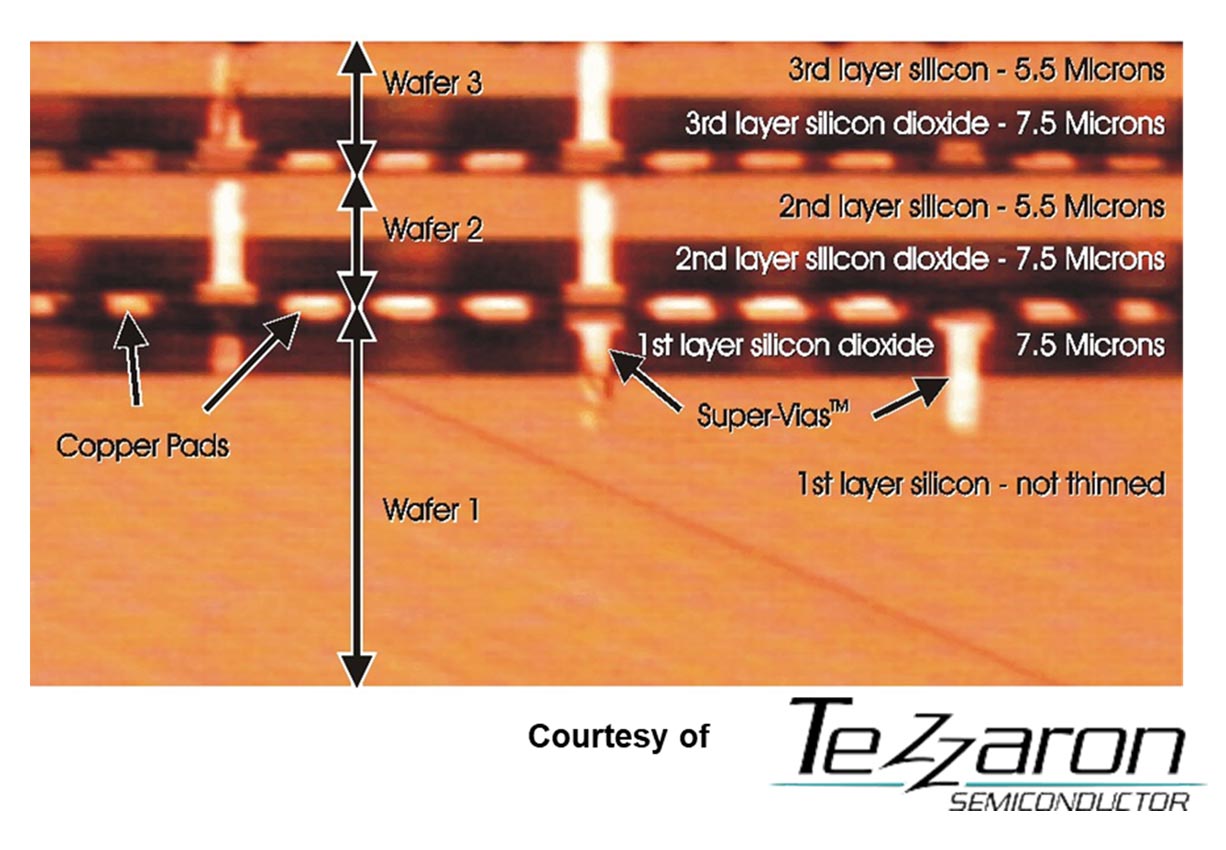
金属拡散接合は、熱圧着接合(TCB)とも呼ばれ、固相拡散直接接合のプロセスであり、原子間結合を形成します。これは、熱と力を同時に加えることによって2つの金属が接触し、その後、原子が拡散して接合界面を形成する接合方法です。TCBは、RF MEMS、発光ダイオード(LED)、レーザーダイオード、およびパワーデバイスの製造に広く使用されています。
TCBは、パッケージされた内部の構造物と電気配線の封止を1工程で行うことができます。TCBで最も使用される材料は、拡散反応が速いAu、Al、Cuなどです。AuはAlやCuに比べて拡散に必要な温度が低く、酸化されにくいという利点があります。拡散速度は、原子が結晶格子間に拡散する際に選択された温度と印加圧力に依存します。ここで、標準的な表面拡散に加えて、粒界拡散とバルク拡散が発生します。
この技術では、電界をかけずに低温でウェーハレベルの接合を実現します。その上で、接合時の応力やアライメントのズレを防ぐために、CTE(熱膨張係数)を適切に制御し、ウェーハの膨張を同期させることが重要です。さらに、加える力とその均一性も重要となり、これは金属の密度(特徴)やウェーハのサイズにも依存します。TCBでは、接合温度と印加圧力が反比例するので、これによって、接合パラメータを調整することが可能となります。
特長
- 導電性
- 高い破壊靭性
- 小型ボンディングフレーム
- 密封性
- 非常に高い接合アライメント精度
- 汚染フリー
- 非変形
Talk to our EVG technology experts!
Questions?
Events
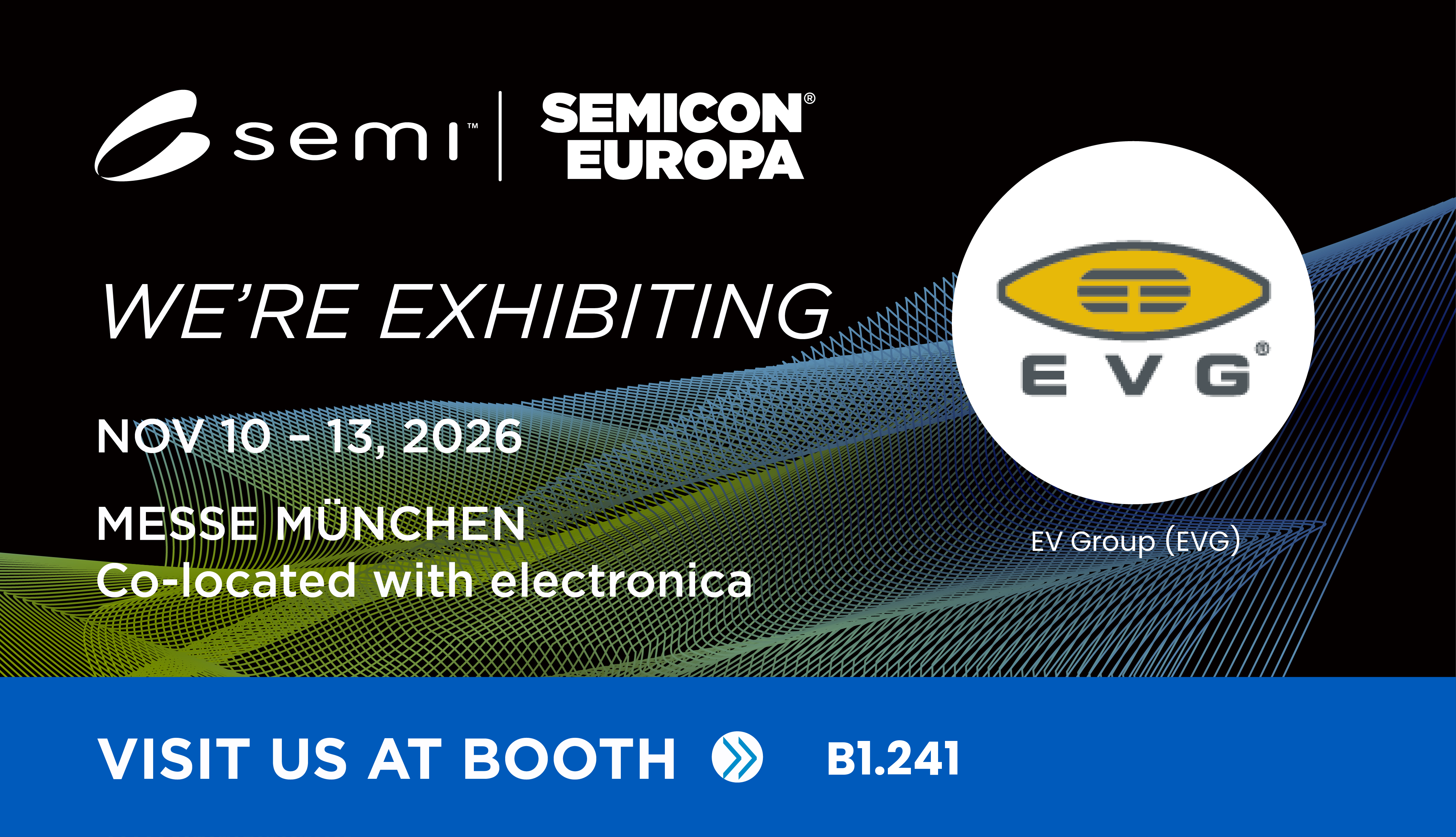
SEMICON Europa 2026
Visit our booth #B1241 at SEMICON EUROPA 2026 & our poster presentations at the APC:
“Software-Driven Strategies for Advanced Multi-Die Patterning in Digital Lithography “ presented by Business Development Manager Dr. Ksenija Varga and ”Leveraging Advanced Bonding Technologies to Enable Scalable Co-Packaged Optics Architectures” introduced by Business Development Manager Elisabeth Brandl.
Here you'll find more Information on the program.
Questions about our technologies?
Contact the EVG experts